
Critical Image Review Workshop
Seeing Clearly, Failing Honestly, Growing Deliberately
This is a critical image review — the kind that photographers quietly crave and rarely get.
We invite photographers to submit images for a guided critique and learning session led by senior professional photographers with a combined experience of over 40 years, working across:
• Landscapes and Nature
• Wildlife and Birding
• Night Photography - city & monuments
• Portraiture and Fashion
• Culture & People
The review panel comprises photographers who have travelled extensively, worked across cultures and terrains, and led on-location photography workshops around the world. Their insights are shaped by real-world constraints, failed shoots, missed light, imperfect decisions — and the slow discipline of learning to see better.
This session is intentionally designed not to reward polish, applause, or surface-level admiration.
Instead, it focuses on:
- The gap between intent and outcome
- Why an image didn’t become what the photographer imagined
- What went wrong — conceptually, technically, emotionally
- How decisions in the field shaped the final photograph
- How to course-correct, not cosmetically fix
In short: learning from what didn’t work, not just celebrating what did.
This is not a portfolio review, this is a critical image deconstruction and analysis session. We learn as a group and gain collective knowledge across genres and varied photography styles.
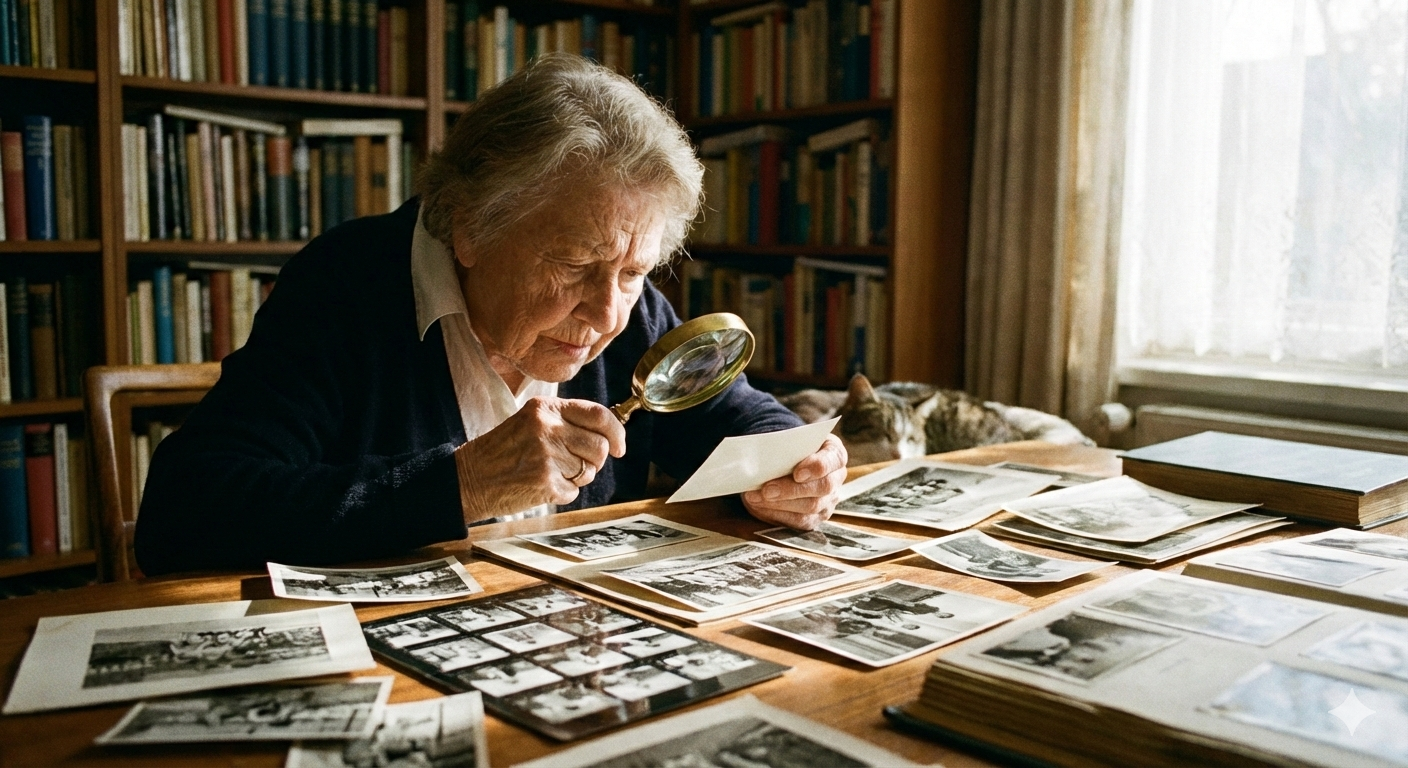
This session is for photographers:
Who are willing to examine their mistakes in a group
Want honest, experienced critique — not validation, likes or praise
Understand that growth often begins with discomfort
Value collective learning over individual praise
Participants will review their own work and learn deeply from the successes and failures of others. Sessions are conducted in groups of photographers, creating a shared learning environment where no image exists in isolation.
Submit images that challenged you — not just those that impressed others.
Choose photographs where your intent mattered, even if the execution fell short.
This is an opportunity to:
- Understand why an image failed to match your vision
- Learn how experienced photographers read photographs
- Refine your seeing, not just your editing
- Grow through shared critique and collective insight
You may include:
- Images that partially worked
- Images that failed conceptually or technically
- Images where intent was clear but execution fell short
- Perfection is not the goal. Clarity of intent is.
The review focuses on:
- Intent vs outcome
- Visual clarity and decision-making
- Use of light, timing, and space
- Narrative strength and emotional resonance
- Editing discipline
- Missed opportunities and alternative approaches
- This is not about ranking images.
It’s about learning how photographs speak — and sometimes stutter.
 Submit your images following the critical review guidelines below
Image Submission Guidelines
(Aligned with internationally practised critical review standards, not portfolio judging norms)
Make a folder with your name in your google drive and add the photos there and share the link in form
Submission Deadline: 16th Jan'2026
Session Format: In-person
Venue: Future Forward, Lajpat Nagar
Number of Images: Submit 3 Max for individual images Or 5 images for series/stories. (Entries with more then the limit will be disqualified)
Fewer images allow deeper discussion and more meaningful critique.
Genres of Images which can be submitted
• Landscapes and Nature
• Wildlife and Birding
• Night Photography - city & monuments
• Portraiture and Fashion
• Culture & People
File Format & Color Space
- JPEG (.jpg)
- sRGB color space
These ensure consistent viewing across calibrated and non-calibrated displays during group review.
Image Dimensions & Size
Long edge: 2500–3500 pixels
File size: 2–5 MB per image
Pixel: 250–300 DPI
Large enough for detail, restrained enough to avoid distraction.
File Naming (Essential to identify images)
Firstname_Lastname_01.jpg
Firstname_Lastname_02.jpg
Sequence matters.
Reviewers read images as visual arguments, not isolated moments.
Processing & Presentation
a) No watermarks, borders, frames, or signatures
b) Avoid excessive HDR, artificial skies, heavy compositing
c) Black & white is welcome when conceptually justified
d) Processing should support the photograph’s intent — not rescue it.
Context Notes (Required)
- Submit a short accompanying document including:
- Image filename
- Location and year
- Intended idea or vision (2–3 sentences)
- What you feel did not work (optional but encouraged)
Critical reviews depend on understanding what you were trying to do, not guessing it.
Ethics & Authenticity
- All images must be your own work
AI-generated or heavily AI-altered imagery is not accepted
- Documentary images must follow ethical storytelling practices
Integrity matters more than aesthetics.